


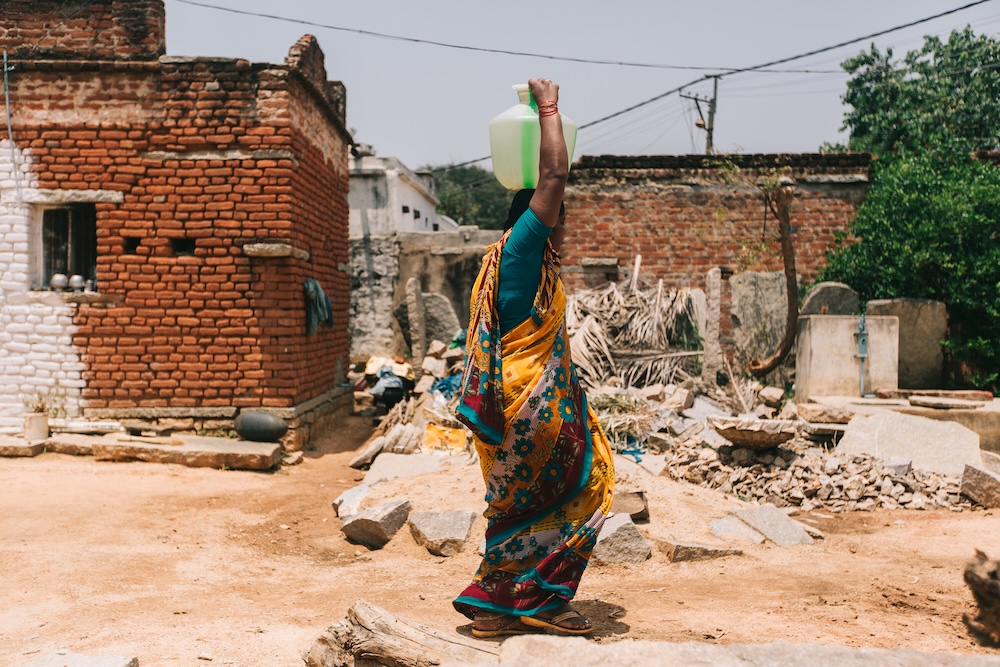
Across the climate-exposed districts, I have observed that frontline health workers are moving from one seasonal response to another without a meaningful pause. An ASHA may spend the hottest months counselling families on hydration, recognising heat exhaustion, and encouraging outdoor workers to rest during peak hours. Weeks later, she is navigating waterlogged roads, monitoring diarrhoeal illness, supporting pregnant women whose access to facilities has been cut off, and watching for dengue. She is doing all of this while being subject to the same heat, the same disrupted infrastructure, and the same exhaustion as the communities she is trying to protect. Her capacity does not automatically reset when one emergency ends. Neither does theirs.
A family that lost wages during a heatwave may not have rebuilt its savings before heavy rainfall interrupts work again. An outdoor worker may enter the humid monsoon already depleted. This is not a story about bad luck or individual hardship. It is the health signature of a climate that no longer moves in predictable, recoverable sequences.
There is a good reason public health systems were built around seasonal thinking, and it is worth saying so honestly. Seasonal planning gave health systems a workable structure in the climate they were designed for. Medicines could be stocked before the monsoon, surveillance could focus on expected disease periods, and heat action plans could be activated before temperatures peaked. It was rational, and for a long time it worked.
What has changed is not that seasons have disappeared. It is that the recovery window between them is shrinking. A heatwave may officially end when temperatures fall, but its effects carry forward as fatigue, dehydration, and physical strain. A flood can damage sanitation, reduce income, and increase disease risk long after the water recedes. Health systems record each event separately. Communities experience them in the same bodies, the same households, and the same livelihoods, without a break.
What Needs to Change, and Why It Has Not
The practical response is not to abandon seasonal planning but to connect it. A compounding-risk calendar, mapping the months when heat, humidity, flooding, and infectious disease are likely to overlap, would allow health teams to ask better questions in advance: Will there be enough medicines if heat-related illness and infection rise at the same time? Can ambulances reach flood-prone settlements? Are frontline workers being asked to manage two emergencies at once with resources sized for one?
The honest reason this has not happened at scale is structural. The teams responsible for heat, floods, disease surveillance, maternal health, and supply chains often sit in different departments, report to different lines of authority, and plan to different calendars. Joining these up requires coordination that the system was not designed to make easy. Recognising that is not defeatist. It is the starting point for fixing it.
Frontline capacity has to be part of this planning, not an afterthought. Drinking water, rest, safe transport, realistic workloads, and clear referral systems are not comfort measures. They are what keeps health services functioning when climate risk is at its highest. The people responsible for responding are among those most exposed to the conditions they are responding to.
Local knowledge must shape what gets built. Communities and frontline workers already know which roads become inaccessible first, which settlements face both water scarcity and flooding, which workers cannot stop during extreme heat. That knowledge exists. The question is whether planning processes are designed to use it.
Climate resilience cannot become another way of asking communities and health workers to carry more with less. It has to mean systems that are genuinely prepared for how climate risk actually arrives: not one clean hazard at a time, but layered, overlapping, and accumulating before the previous round has fully passed.
When the recovery window disappears, planning only for the next emergency is no longer enough. We need to plan for the burden the previous one left behind, and for the reality that by the time one crisis ends, another may already have begun.
Vedika Tikmani
Technical Specialist
ClimatexHealth
Swasti, The Health Catalyst
